
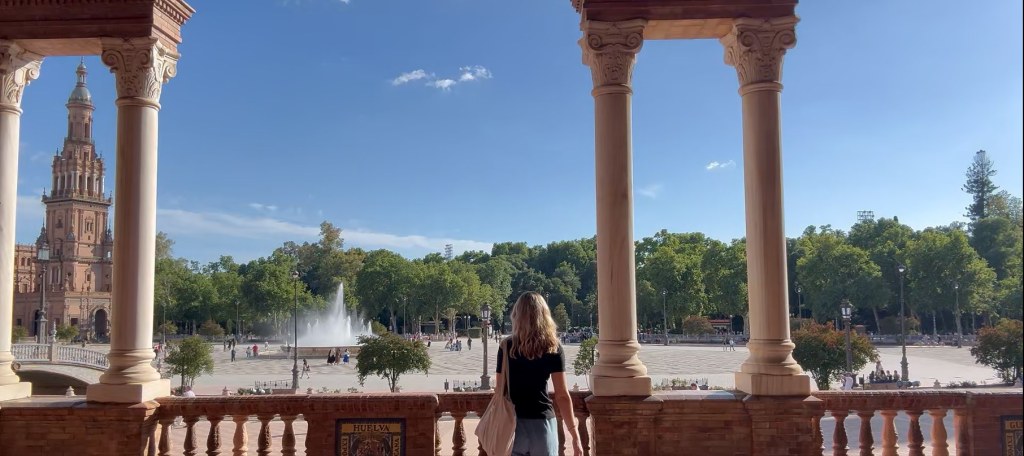
There was a version of me who used to treat travel like a checklist. Land, drop the bag, go. See the thing, photograph the thing, move to the next thing. I thought that was what a “good” trip looked like — dense, efficient, full.
It took me a long time to notice I wasn’t actually in any of it.
How slow travel actually started
Slow travel didn’t start as a philosophy for me. It started as exhaustion. Somewhere between my third city in five days, I realised I couldn’t remember what I’d eaten the night before, let alone how a place had made me feel. I was collecting locations, not experiences.
What arriving slowly looks like
So I started arriving slowly on purpose. That means giving myself the first day in a new place to do almost nothing — walk without a destination, sit somewhere too long, let the city introduce itself instead of demanding it perform for me. It means fewer stops, longer stays, and trusting that I don’t need to see everything to have actually been somewhere.
A simple first-day ritual
If “do almost nothing” feels too vague, here’s the loose shape my first day in a new place usually takes. None of it needs a booking.
- Walk before you plan. Drop your bag and head out with no map open for an hour. Turn down whichever street looks interesting. You’re learning the shape of the neighbourhood, not ticking anything off.
- Find your café. Choose one place near where you’re staying and go back the next morning. A familiar table is a small anchor in an unfamiliar city.
- Eat late and slowly. Let your first proper meal be long and unhurried. I’ve written about why in The Case for the Long, Unphotographed Lunch.
- Notice three things. Before bed, jot down three small details — a sound, a smell, a habit of the locals. It trains your attention for the days ahead.
- Leave tomorrow open. Resist filling day two before you’ve finished day one.
How long should you stay in one place?
There’s no perfect number, but I’ve found three nights is the minimum for a place to start feeling familiar, and a week is where it begins to feel like yours. The first day is arrival. The second is orientation. Somewhere around the third, you stop navigating and start noticing.
If your time is limited, I’d rather you see two places properly than five in a blur. Every move between cities costs more than the ticket. It costs a half-day of packing, transit and resettling, and the slight disorientation that follows you into the next place.
What to pack for a slow trip
Slow travel changes what you need to bring. When you’re staying a week rather than a night, you’re not living out of a suitcase so much as settling into a small temporary home. I pack lighter than I used to, not heavier, because I know I can do laundry and pick up what I’ve forgotten along the way.
A few things make a longer stay feel easy:
- Comfortable walking shoes. You’ll cover a lot of ground on foot when you’re not rushing between attractions.
- A small day bag for markets, picnics and long wanders.
- A notebook. Slow days leave room to write, and the details are what you’ll want to remember.
- One outfit you feel good in for a long lunch or a nicer dinner.
- A reusable water bottle and a light layer for the days that start in one place and end somewhere unexpected.
Leave space in your bag. Some of the best souvenirs of a slow trip are things you find in the second week, once you know a place well enough to know what’s worth carrying home.
Why slowness makes trips stick
What surprised me is how much more I remember now. Slowness isn’t the absence of adventure — it’s what makes the adventure stick. A place doesn’t hand you its texture on day one. It waits until you’ve stopped rushing to notice.
Before you plan your next trip
If you’re planning your next trip and feel the old pull to pack it full, I’d gently ask: full of what? Movement, or memory? You can only really choose one.
And if you’re worried that slowing down means spending more, it usually doesn’t. I’ve broken down where my money actually goes in The Slow Traveller’s Budget.
Frequently asked questions
What is slow travel?
Slow travel means staying longer in fewer places, so you experience a destination rather than just seeing it. It favours depth, routine and local rhythm over a packed itinerary.
Is slow travel more expensive?
Not usually. You spend on fewer flights and transfers, and longer stays often come with better accommodation rates. The money simply goes to different things.
Is slow travel good for women travelling solo?
Very much so. Staying put gives you time to learn your neighbourhood, which helps you feel settled and safe. If that’s on your mind, read A Woman’s Guide to Feeling Safe While Travelling Alone.


3 responses to “The Art of Arriving Slowly — Why I Stopped Rushing Between Cities”
[…] feels wrong. It’s one of the reasons I stay longer in fewer places, which I write about in The Art of Arriving Slowly. Rushing from city to city means living in that uncertain first day over and over again. Staying […]
LikeLike
[…] If you’re dining alone and that part still feels daunting, start with How to Eat Alone in a Restaurant and Actually Enjoy It. And for more on giving a place time, read The Art of Arriving Slowly. […]
LikeLike
[…] you’re new to this way of travelling, The Art of Arriving Slowly explains how I plan a trip around fewer places and longer […]
LikeLike