
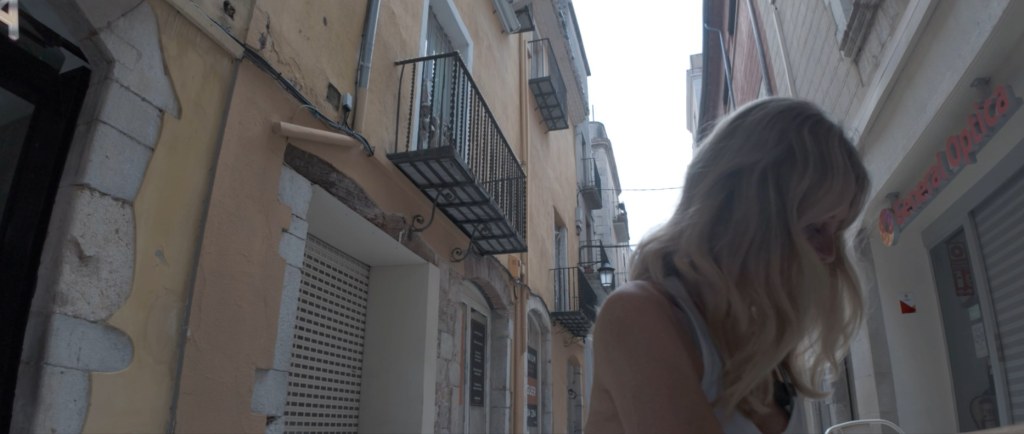
Somewhere along the way, meals became content. We plate for the photo, order for the aesthetic, eat with one eye on the shot and the other on the clock, because there’s somewhere else to be.
I want to make the case for the opposite. The lunch that runs two hours. The one with no photo at all — or one, taken almost as an afterthought, because you were too busy actually eating to remember your phone was in your bag.
The pleasure of nowhere to be
There’s a particular kind of pleasure in a meal with nowhere to be afterward. You order slowly. You let the bread arrive and disappear before you’ve even opened the menu properly. You watch the room fill and empty around you. You notice, really notice, what’s in front of you — the specific sourness of the local wine, the way the server times each course without ever making you feel rushed, the light changing outside as an hour quietly passes.
Why lunch, not dinner
In many parts of Europe, lunch is the main meal of the day, and the whole rhythm of the city bends around it. Shops close, offices empty, and tables fill with people who intend to stay a while. Joining that rhythm is one of the easiest ways to feel part of a place rather than a visitor passing through.
Lunch also tends to be better value. Many restaurants offer a set menu at midday — in Spain it’s the menú del día — with several courses for much less than the same food would cost at night. For solo travellers, a busy lunchtime room can also feel more relaxed than dinner, when tables are filled with couples and groups.
How to slow a meal down
If you’re used to eating quickly, slowing down takes a little intention:
- Order in stages. Start with a drink and something small. Decide on the next course later.
- Put your phone away before the food arrives, not after. It’s much harder to put it down once it’s out.
- Ask about the food. Where the wine is from, how a dish is made, what’s in season. Curiosity naturally stretches the meal.
- Stay for coffee. The last half-hour, when the room is emptying and nobody is rushing you, is often the best part.
Choosing the right place
The best places for a long lunch are rarely the most photographed. Look for somewhere busy with locals, with a short handwritten menu and staff who aren’t hovering to turn the table. Outdoor tables on a quiet street or square are ideal. If you’re unsure, ask the person who runs your accommodation where they would go for lunch themselves.
Fitting a long lunch into your day
A long lunch works best when you plan the rest of the day around it, rather than squeezing it in between other things. I like to spend the morning walking, visiting a market or seeing the one thing I most wanted to see while it’s cool and quiet. Then lunch becomes the reward, not the interruption.
After a long lunch, don’t fight the slowness. Many cities in southern Europe naturally quieten in the early afternoon, and it’s the perfect time to wander back to your accommodation, read, or rest before the evening. Things come back to life later in the day, and you’ll enjoy that second half far more for having stopped in the middle.
If you have only a few days somewhere, it can feel indulgent to give two hours to one meal. But think of it as an activity in itself. It’s often the part of the day you end up remembering most clearly.
The purest form of slow travel
This is, I think, one of the purest expressions of slow travel — not a destination, not a landmark, just permission to let a meal take as long as it wants. It costs nothing extra. It requires only that you stop treating time as something to be efficient with.
The next time you’re tempted to eat and move on, try staying instead. Order the second glass. Let the lunch become the afternoon. You’ll remember it long after you’ve forgotten whatever you would have rushed off to see.
If you’re dining alone and that part still feels daunting, start with How to Eat Alone in a Restaurant and Actually Enjoy It. And for more on giving a place time, read The Art of Arriving Slowly.
Frequently asked questions
What is a long lunch?
A long lunch is an unhurried midday meal, often two hours or more, where the meal itself is the plan for the afternoon rather than a quick stop between activities.
Is lunch cheaper than dinner when travelling?
Often, yes. Many restaurants in Europe offer set lunch menus with several courses at a lower price than their evening menu.
How do I stop taking photos of my food?
Keep your phone in your bag before the food arrives. If you want one photo, take it quickly and put the phone away for the rest of the meal.


3 responses to “The Case for the Long, Unphotographed Lunch”
[…] Eat late and slowly. Let your first proper meal be long and unhurried. I’ve written about why in The Case for the Long, Unphotographed Lunch. […]
LikeLike
[…] you’re comfortable, try letting a meal stretch out completely. I make the case for it in The Case for the Long, Unphotographed Lunch. And if the bigger worry is feeling lonely, Solo Doesn’t Mean Lonely might […]
LikeLike
[…] Eat your main meal at lunch. Set lunch menus are often far cheaper than dinner — and a good excuse for the long, unphotographed lunch. […]
LikeLike